
Sun City's Premier Skin Health Dermatologist
Your peace of mind starts here. Goodman Dermatology provides comprehensive mole checks and skin damage evaluations with board-certified dermatologists.
Request an appointment! Our team can answer your questions or schedule your skin check.






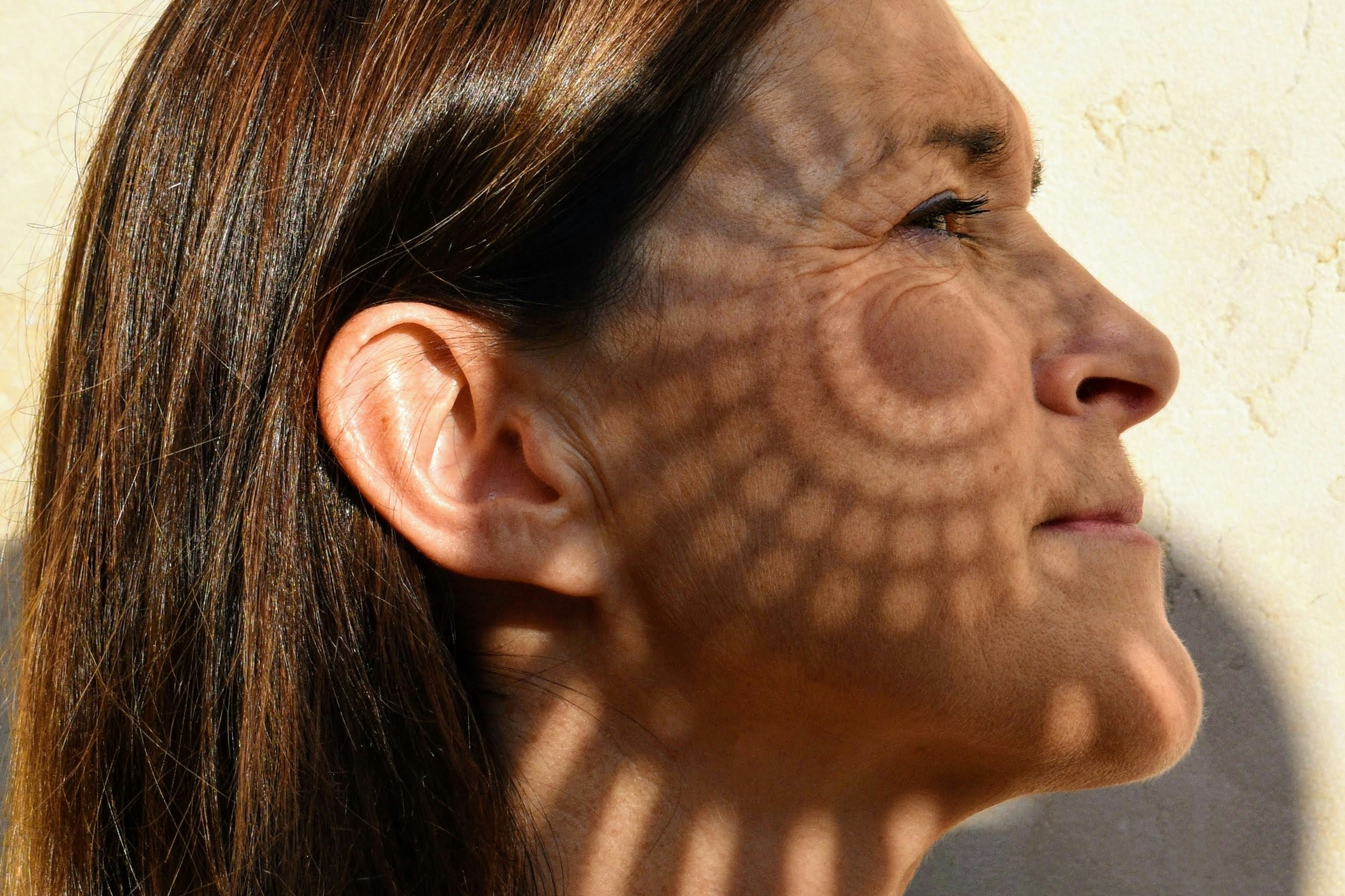
Appointment in Sun City West & Sun City
You spend a lot of time in the sun while golfing, gardening, walking, and traveling—and while it's a worthwhile way to enjoy your free time, one bad sunburn or prolonged sun exposure can show up years later on your skin.
Start your journey to knowing the health of your skin and taking any steps to identify cancerous spots with Goodman Dermatology & Mohs Surgery.
Don’t guess with skin cancer: Get your concerns evaluated by the Goodman Dermatology and Mohs Surgery team today.


What's a skin health check?
A skin health check is a full-body examination conducted by our experienced board-certified dermatologists. We'll listen to your concerns and evaluate every mole, spot, and abnormality to determine if it's healthy or cancerous. Your skin is in the best hands with us!
A skin check is great for anyone (especially for those of us in lots of sunlight), but it's particularly well-suited for those with the following conditions:
My mole is changing color, size, or shape
I'm seeing new moles and spots appearing
My skin has more dark spots and discoloration
I have sun damage that doesn't seem to heal
I'm getting more rough patches on my skin
I have a few spots that itch and bleed
Do You Need A Skin Health Check?
When you live in Arizona, you'll see plenty of sun! It's a good idea in general to make sure your skin is healthy, but you'll want to look for these telltale signs that something may need our attention.
Lingering Sun Damage
Sun damage occurs because of unprotected exposure to ultraviolet rays, which tends to damage skin cells and increase wrinkles, dark spots, and other common signs of skin aging. When dark spots, sunburns, discoloration, and dry patches stick around for a long time—then it's time to get it checked out by a dermatologist.
Sun damage can look like:
Sunburned skin (redness)
blistering
wrinkles
skin discoloration (dark/age spots)
moles & freckles
keratosis (scaly, rough patches)
chronically chapped lips
new or changing skin lesions
New & Changing Moles
Nearly everyone has moles — those small, often dark spots on the skin. While most are completely harmless, some might change or new ones might develop in ways that signal a problem.
An abnormal mole may look different from your other moles or show signs that raise concern for melanoma, a type of skin cancer.
To help spot moles that may be a cause for concern, we often use the ABCDE rule:
Asymmetry
Border
Color
Diameter
Evolving
Uneven Pigmentation
Hyperpigmentation with consistent sun exposure can lead to signs of aging like sun spots, dark spots, and discoloration on the skin. While it might be a natural sign of aging, the appearance of dark spots should be examined by a dermatological specialist to help determine if it's cancerous.
While discoloration mostly appears on skin that's been directly exposed to sun, some spots can appear in places that you normally wouldn't think—on the palms of your hands, the soles of your feet, and even under your nails.
Face
Head
Ears
Hands
Feet
Spots That Won't Heal
Sometimes we bump or scrape our skin during our daily activities. That's okay! But when a scrape, lesion, scab, or rough patch doesn't heal in 3-4 weeks—sometimes accompanied by bleeding or crusting—then it's time to get it checked out.
Non-healing spots can look like:
A persistent spot that continually re-opens, bleeds, or scabs
A small lump that won't go away
A scaly, crusty, reddish patch
Moles that itch or cause pain or discomfort
A white or waxy patch
Rough Patches
Known as keratosis, rough patches on skin are a bigger deal than you'd think! They can be signs of cancer like skin cancer when they're persistent and don't respond to moisturizer.
Signs of a rough patch include: redness, dryness, scaliness, or itching that won't go away with moisturizing. It can lead to bleeding and scabbing that doesn't seem to heal, and it tends to hurt.
Don’t guess with skin cancer: Get your concerns evaluated by the Goodman Dermatology and Mohs Surgery team today.
What Types Of Skin Cancer Are There?
The health of your skin is always our top priority! Learn about the types of common and uncommon skin cancers.
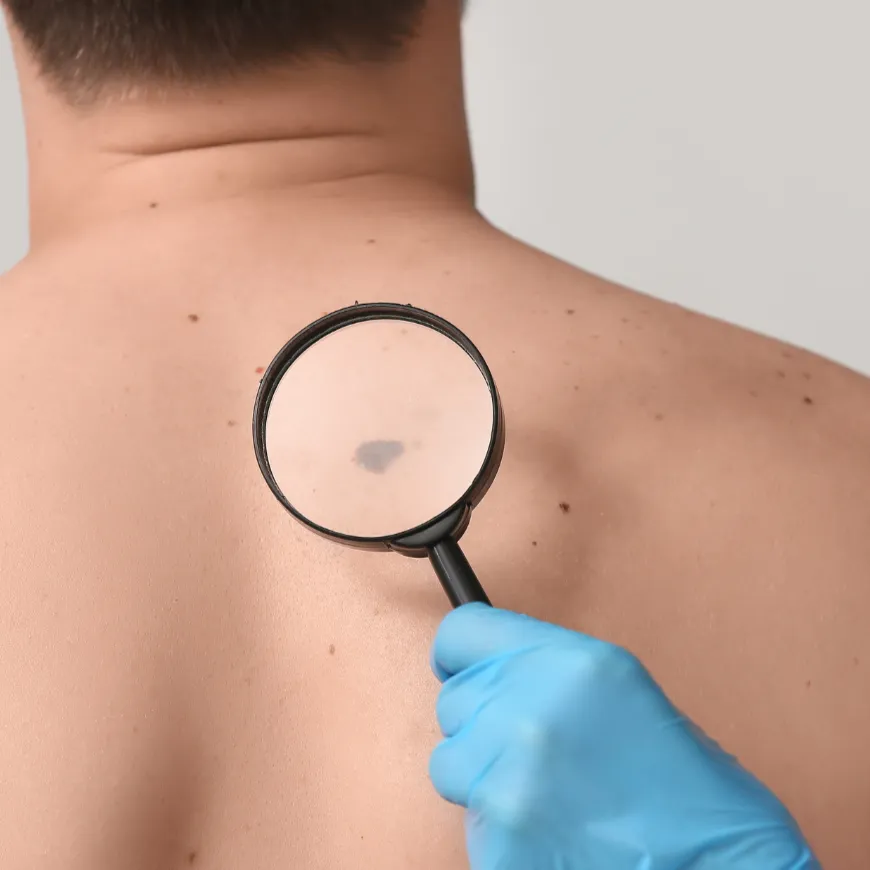
Basal Cell Carcinoma
The most common form of skin cancer
About 4 million cases of BCC are diagnosed in the United States each year
Symptoms include: small, pearly nodules, pinkish patches, sores that don’t heal, and yellow, waxy scars
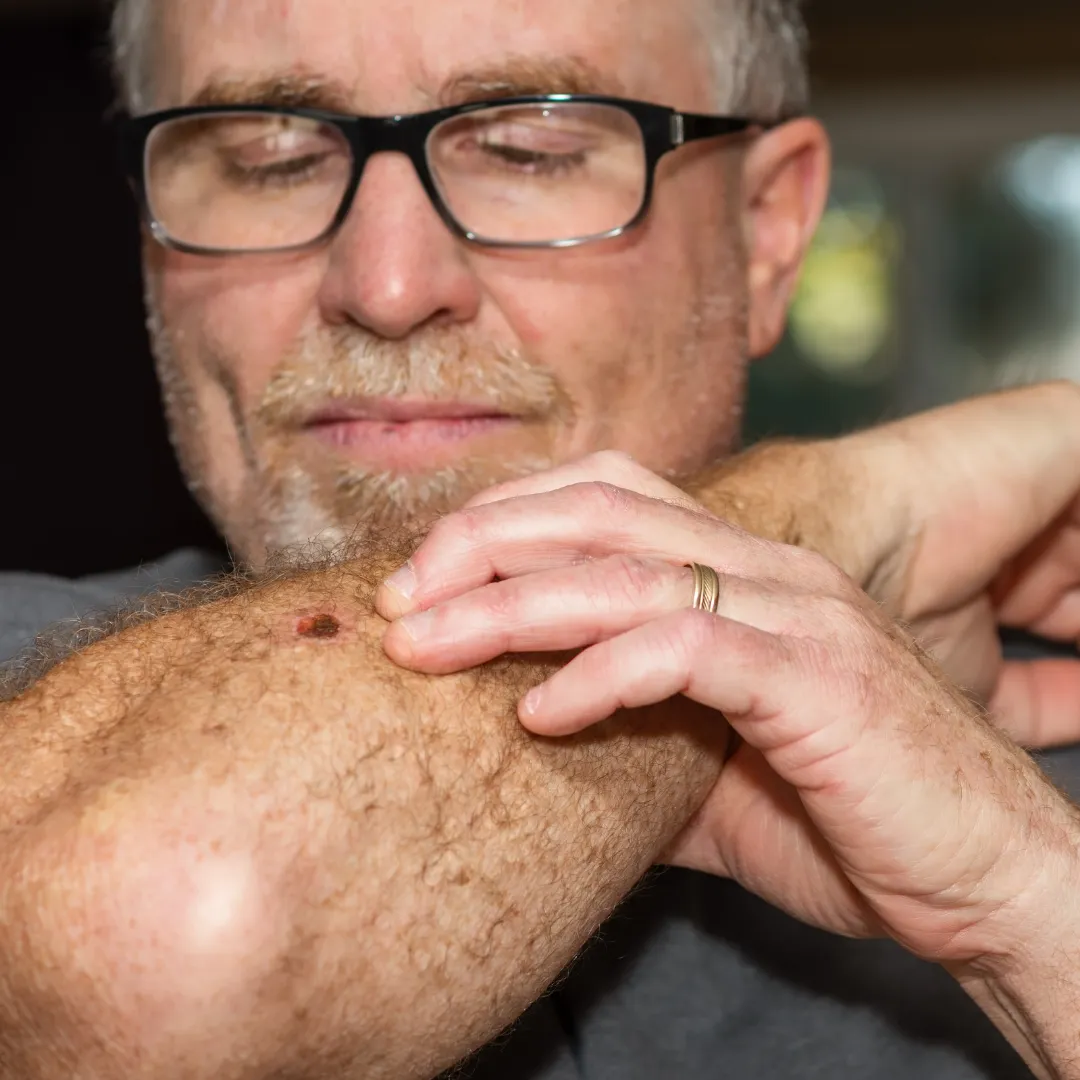
Squamous Cell Carcinoma
The 2nd most common form of skin cancer
About 1 million cases of SCC are diagnosed in the United States each year
Symptoms include: crusty skin, scaly patches, wounds or skin trauma that don't heal as expected
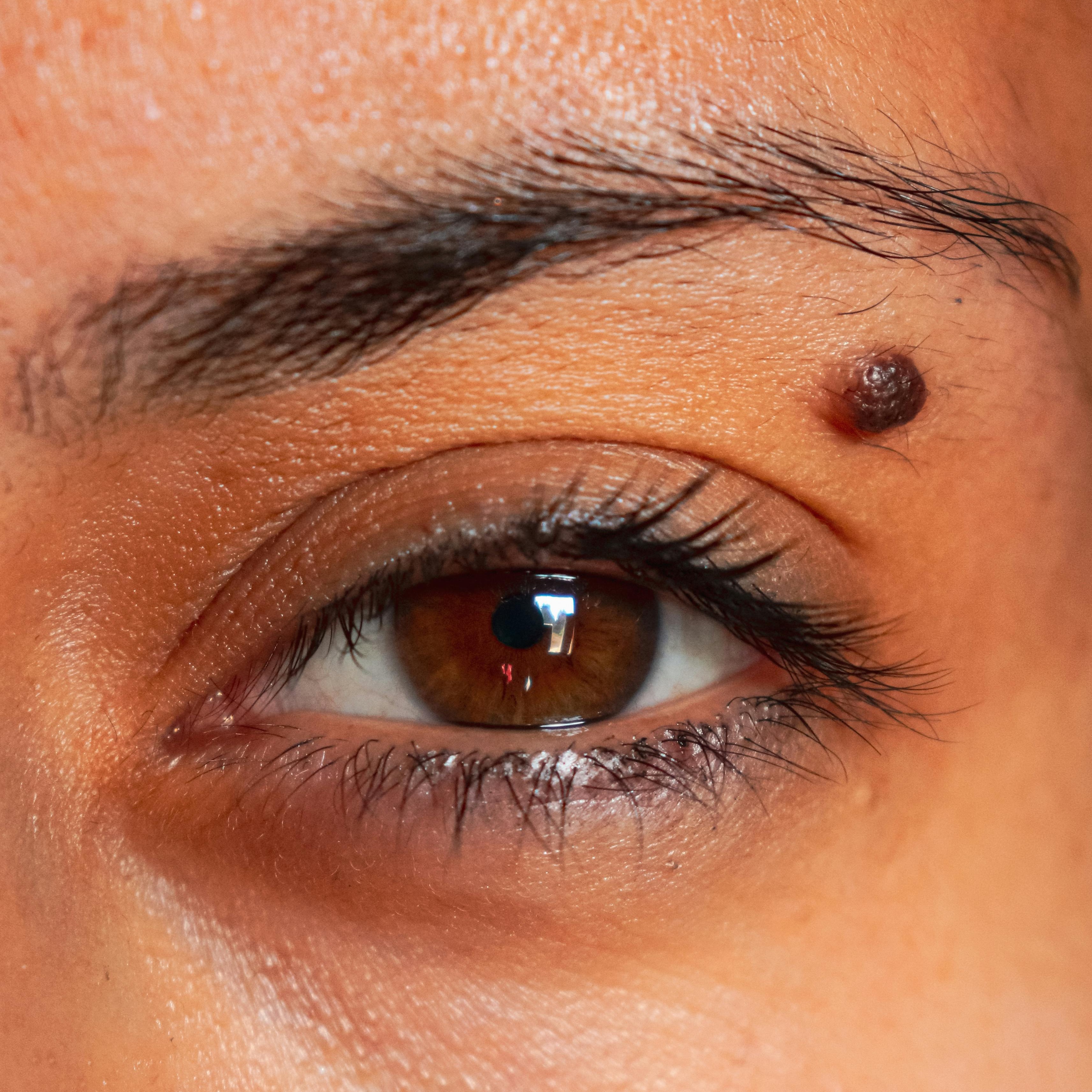
Rare Skin Cancers
Including Melanoma and other forms of skin cancer
Melanoma is aggressive & fast-growing, making changes on your skin and around moles easier to identify
Early detection is vital in successful treatment outcomes
Why Choose Goodman Dermatology For A Skin Health Check?
We're a father-son, full-service dermatology practice in Sun City West & Sun City, Arizona—with extensive focus in identifying & treating skin cancers.

Dr. Matt Goodman, MD
• Specializes in skin cancer diagnosis, prevention, and treatment, including Mohs surgery
• Performed thousands of procedures with 30+ years of experience
• Is passionate about helping patients achieve healthy, cancer-free skin
• Board-certified in Mohs Surgery and Dermatology
• Original founding member of the American Society for Mohs Surgery
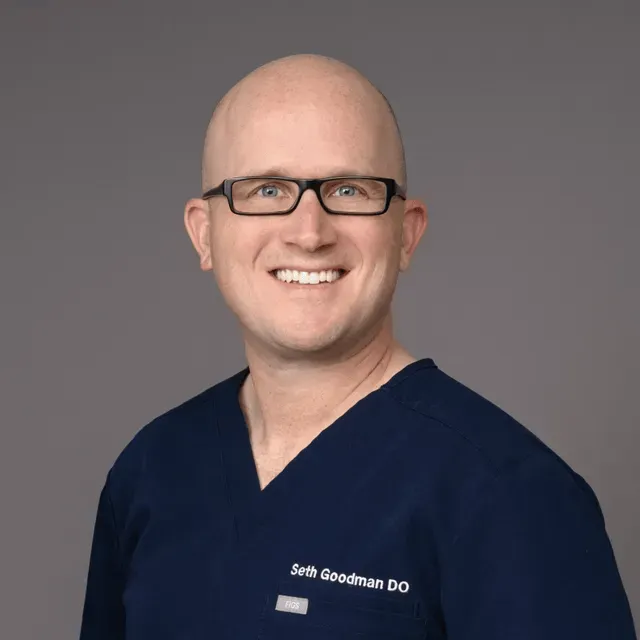
Dr. Seth Goodman, DO
• Specializes in comprehensive skin care, including skin cancer detection, prevention & surgery
• Passionate about skin cancer prevention, early detection, and advanced treatment
• Provides thorough, personalized care to his patients regardless of the size of their concern
• Board-certified in Mohs Surgery and Dermatology
• Proudly serving the Phoenix area since 2019 and is fluent in Spanish

Most Major Insurances Accepted
We understand that the cost of medical dermatology can be a concern. That's why we accept most insurance plans to help cover your treatment. Our team will work with your insurance provider to maximize your benefits and minimize out-of-pocket expenses, ensuring you get the care you need without financial stress. We also provide cash price discounts for self-pay patients.
Real Stories From Real People
Real experiences from those who trusted us with their skin's health in Sun City West & Sun City, AZ

"Dr Seth Goodman was great. He asked me about concerns I may have on the health of my skin before starting any exam and answered all my questions. I appreciate a doctor who is interested in what I have to say about my own health rather than wanting to just tell me about my health from their stand point."

"Dr. Matt was very friendly, cheerful and professional. And he extremely thorough in his examination and explaining everything. Highly recommend!"

"I met with Dr Seth today and it is great to work with him. He is very knowledgeable and takes his time listening to your concerns and diagnosed and treated my issue quickly and professionally. I have been in the office several times. It is never rushed, the entire staff seems to be concerned with your care and not trying to rush you out the door. I would recommend both Dr. Seth and Dr. Matt to anyone seeking the highest in medical care in an environment that you can trust."
Frequently Asked Questions
Answers to common concerns about skin cancers.
What are the signs of an abnormal mole?
An abnormal mole may look different from your other moles or show signs that raise concern for melanoma, a type of skin cancer. To help spot moles that may be a cause for concern, dermatologists often rely on the ABCDE rule—looking for asymmetry, irregular borders, uneven colors and shades, moles with large diameters, and evolving sizes, shapes, colors, and behaviors (like itching, bleeding, or crusting).
What causes skin cancer?
Skin is your largest organ and the only organ you have that’s directly exposed to external environmental stressors, including sunlight. The ultraviolet rays in sunlight and tanning beds also damage the DNA in your skin cells.
If your body can't repair the damage, the wounded cells start to divide uncontrollably, forming lesions and tumors.
What are the types of skin cancer?
The most common types of skin cancer include basal cell carcinoma and squamous cell carcinoma. Other more rarer types of skin cancer include melanoma, merkel cell carcinoma, cutaneous lymphoma, sebaceous carcinoma, and many others.
How do dermatologists treat skin cancer?
If we diagnoses you with skin cancer, we tailor treatments to the type and severity of your cancer. Options may include topical medications, intralesional injections, curettage and desiccation, surgical excision, superficial radiation, or Mohs micrographic surgery.
Will insurance cover the cost of these skin treatments?
Insurance typically covers medically necessary treatments. We accept most major medical insurance plans. To ensure that we are in-network with your insurance provider, please contact our office prior to your appointment for verification.
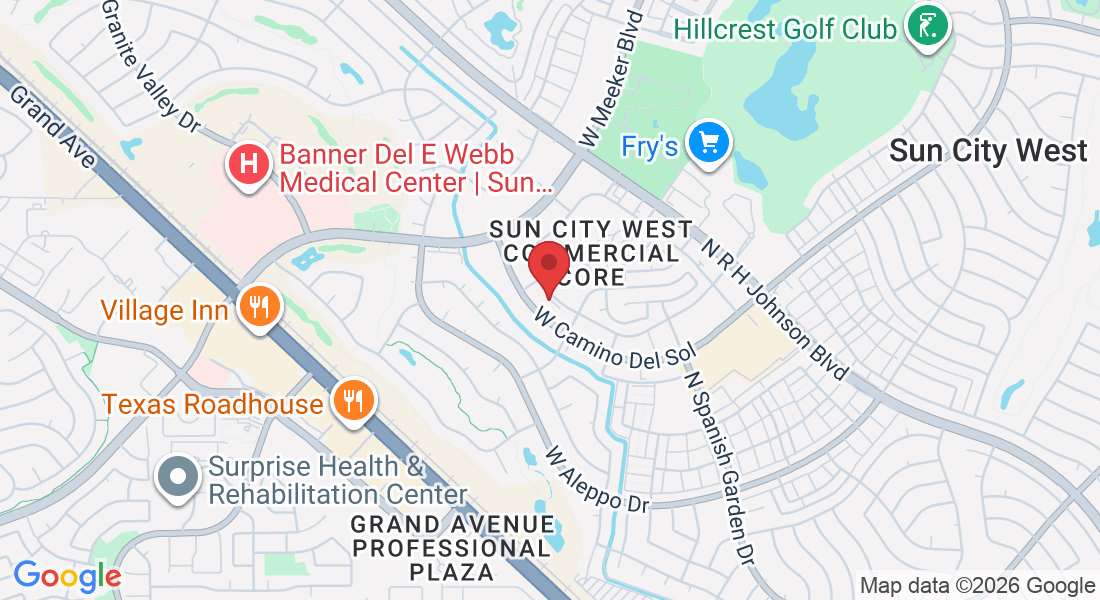
Sun City West
13830 W Camino Del Sol, Suite 240
Sun City West, AZ 85375
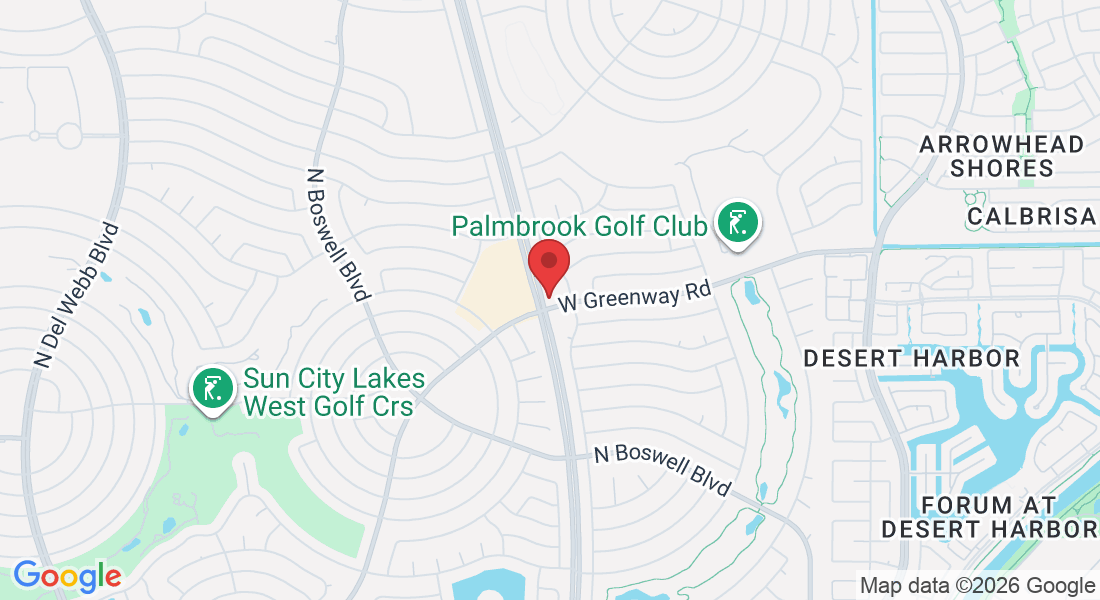
Sun City
15405 N 99th Ave, Suite B
Sun City, AZ 85351
View the Privacy Policy here.
Copyright © 2026 • Goodman Dermatology and Mohs Surgery • All Rights Reserved